
21 Sep 2026
Skin and Hair Changes During Cancer Treatment: Ayurvedic Care Tips
Medically Reviewed By: Dr. Zacharia Jacob
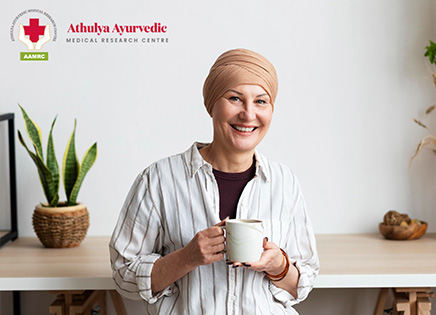
Cancer treatment can affect more than just your health; it can also bring noticeable changes to your skin and hair. You might notice dry or sensitive skin, itching, rashes, pigmentation, hair thinning, or even hair loss. While these changes often improve with time, they can still affect how comfortable and confident you feel. With the right care and a little patience, you can make this part of your cancer journey easier to manage.
Ayurveda may offer supportive approaches focused on gentle skin care, nutrition, lifestyle, and overall wellbeing during a cancer journey. However, cancer patients should discuss any Ayurvedic medicine, herbal preparation, oil, or topical treatment with their oncology team and qualified Ayurvedic practitioner before using it, particularly during chemotherapy, radiation therapy, surgery, immunotherapy, or targeted therapy.
Why Does Cancer Treatment Affect Skin and Hair?
Different cancer treatments can affect healthy cells as well as cancer cells. Treatments such as chemotherapy may cause hair follicles to become temporarily inactive, resulting in hair thinning or hair loss. Some medicines can also contribute to dry or sensitive skin.
Radiation therapy may cause changes in the skin within the treated area, including redness, dryness, irritation, or increased sensitivity. Certain targeted therapies and immunotherapies can also produce skin-related effects.
Not everyone experiences the same changes. The location of treatment, dosage, individual sensitivity, existing skin conditions, and overall health can all influence what happens.
Understanding that these changes can be treatment-related may help patients approach them with greater confidence and patience.
1. Keep Skin Care Simple and Gentle
During cancer treatment, the skin may become more sensitive than usual. A complicated skincare routine is not necessarily better.
Patients can consider gentle cleansing with products recommended by their healthcare team and avoid excessive rubbing, scrubbing, or exfoliation. Lukewarm water may be more comfortable than very hot water, particularly when the skin feels dry or irritated.
Moisturising can also help maintain the skin barrier. However, patients receiving radiation therapy should ask their radiation oncology team which products are appropriate for the treated area and when they can be applied.
From an Ayurvedic perspective, personalised external therapies may sometimes be considered, but they should never be applied automatically. A practitioner should first understand the patient’s treatment, skin condition, medications, and medical advice.
2. Be Careful With Oils and Herbal Preparations
Ayurvedic oils and herbal preparations are commonly associated with traditional skin and hair care. However, during active cancer treatment, “natural” does not automatically mean safe.
Some products may contain multiple herbs or active ingredients that could irritate sensitive skin or interact with medicines. Products applied to radiation-treated skin may also cause unwanted reactions.
Before using an Ayurvedic oil, herbal paste, powder, or other preparation, patients should discuss it with their oncology team and Ayurvedic practitioner. A qualified practitioner can determine whether a particular approach is appropriate for the patient’s circumstances.
3. Protect Sensitive Skin From the Sun
Cancer treatment can sometimes make skin more sensitive to sunlight. Sun exposure may worsen pigmentation or irritation in susceptible patients.
Simple protective measures such as wearing comfortable clothing, using shade, and following healthcare-provider recommendations for sunscreen can help reduce unnecessary exposure.
Patients should choose products that are suitable for their skin condition and treatment plan. If the skin is irritated or undergoing radiation treatment, professional advice should come before applying new skincare products.
4. Support Hair and Scalp Health Gently
Hair loss can be one of the most emotionally difficult visible effects of cancer treatment. Depending on the treatment, hair may become thinner, break more easily, or fall out temporarily.
Gentle handling is important. Patients may benefit from avoiding tight hairstyles, excessive heat, aggressive brushing, and chemical treatments when the scalp is sensitive.
A mild shampoo and gentle washing may be more comfortable. If the scalp becomes dry or irritated, patients should discuss suitable moisturising or scalp-care options with their healthcare team.
Ayurvedic scalp oils or herbal preparations should also be used only after professional assessment, especially when the scalp is inflamed, sensitive, or affected by treatment.
5. Nourish the Body, Not Just the Skin
Healthy skin and hair depend on overall nutritional wellbeing. During cancer treatment, however, nutritional requirements can vary significantly.
Some patients experience nausea, reduced appetite, taste changes, digestive problems, or difficulty maintaining their usual diet. Instead of following restrictive diets promoted online, patients should seek personalised nutritional guidance from their cancer-care team or a qualified dietitian.
Ayurveda traditionally gives considerable attention to food, digestion, daily routines, and individual constitution. These principles may be incorporated into supportive care where appropriate, but nutritional recommendations should be adapted to the patient’s medical condition and ongoing treatment.
6. Manage Stress and Emotional Wellbeing
Skin and hair changes are not merely cosmetic concerns. They can affect body image, self-confidence, social comfort, and emotional wellbeing.
Gentle breathing exercises, meditation, appropriate yoga, adequate rest, and supportive social connections may help some patients manage stress. These practices should be adapted to the patient’s energy levels and medical condition.
Ayurvedic care often takes a holistic view of wellbeing, considering lifestyle and emotional health alongside physical symptoms. When appropriately guided, such supportive practices may complement the broader cancer-care plan.
7. Know When to Seek Medical Advice
Not every skin or scalp change should be managed at home. Patients should promptly inform their cancer-care team about severe rashes, spreading redness, painful skin changes, blistering, swelling, signs of infection, persistent itching, or other sudden or worsening symptoms.
Similarly, significant changes during radiation therapy should be discussed with the radiation oncology team rather than treated independently.
Seeking professional advice early can help identify treatment-related side effects and determine whether changes to care are necessary.
Ayurvedic Care Should Complement, Not Replace Cancer Treatment
Ayurveda can be considered by some patients as part of supportive and integrative care during their cancer journey. Its potential role may include personalised lifestyle guidance, wellbeing practices, nutrition support, and carefully selected traditional approaches.
However, Ayurvedic care should not replace proven cancer treatments. Patients undergoing chemotherapy, radiation therapy, surgery, immunotherapy, targeted therapy, or other cancer treatments should discuss complementary therapies with their treating oncology team before starting them.
A responsible approach combines traditional knowledge with careful assessment, clear communication, safety considerations, and appropriate medical monitoring.
Caring for Your Skin and Hair With Confidence
Skin and hair changes can be challenging reminders of the cancer-treatment journey, but they do not define a patient’s recovery or identity. Gentle care, appropriate nutrition, emotional support, and timely professional guidance can make these changes easier to manage.
If you are considering Ayurveda during cancer treatment, choose a qualified practitioner who takes your complete medical history into account and is willing to coordinate with your oncology team. Personalised and responsible care can help ensure that supportive therapies fit safely into your overall treatment plan.
At Athulya Ayurvedic Medical Research Centre (AAMRC), patients can seek professional guidance on Ayurvedic approaches to supportive cancer care based on their individual health circumstances. A personalised consultation can help patients understand appropriate options while keeping their ongoing medical treatment at the centre of their care.
Looking for gentle, personalised support during your cancer journey? Connect with Athulya Ayurvedic Medical Research Centre (AAMRC) to learn about appropriate Ayurvedic supportive care for your needs.
FAQ
- 1. Can cancer treatment cause skin and hair changes?
- 2. Can Ayurveda help manage skin and hair changes during cancer treatment?
- 3. Is it safe to use Ayurvedic oils during chemotherapy?
- 4. Can Ayurvedic treatment prevent hair loss during cancer treatment?
- 5. How can I care for sensitive skin during cancer treatment?
- 6. What should I eat to support healthy skin and hair during cancer treatment?
- 7. When should I contact my cancer-care team about skin changes?
- 8. Can Ayurveda replace chemotherapy or other cancer treatments?